INDEX
- Welcome to the World of Turkey Hunting
- Understanding Turkey Behavior
- Gear and Preparation
- Turkey Hunting Techniques
- Best Times and Places for Turkey Hunting
- Conservation and Ethical Practices
- Parting Thoughts
Welcome to the World of Turkey Hunting
Turkey hunting is a blend of skill, patience, and knowledge. This guide dives deep into the essentials of turkey hunting, covering everything from understanding turkey behavior to sharing tales from seasoned hunters. Whether you're a beginner or seasoned hunter, our guide covers techniques, gear, and strategies to enhance your turkey hunting adventures.
Understanding Turkey Behavior
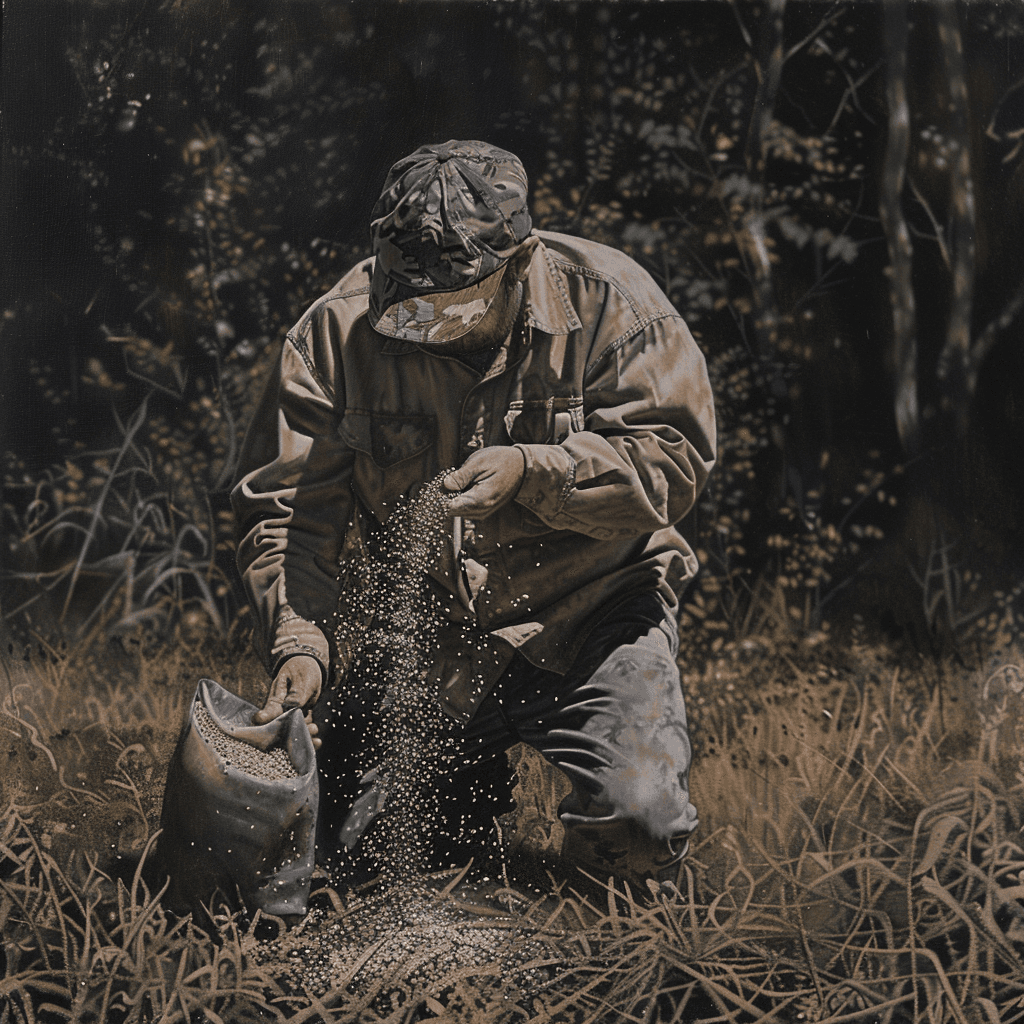
Understanding the quirks and habits of turkeys is crucial to becoming a skilled hunter. These birds have keen senses and can become challenging targets. In spring, males (toms) are more active, making them easier to call. However, fall requires a different strategy, often focusing on food sources to attract these birds such as seeds and cracked corn. Weather conditions, especially sudden changes, can also influence their activity. By understanding these patterns, you can choose the best times and methods for your hunt.

Gear and Preparation
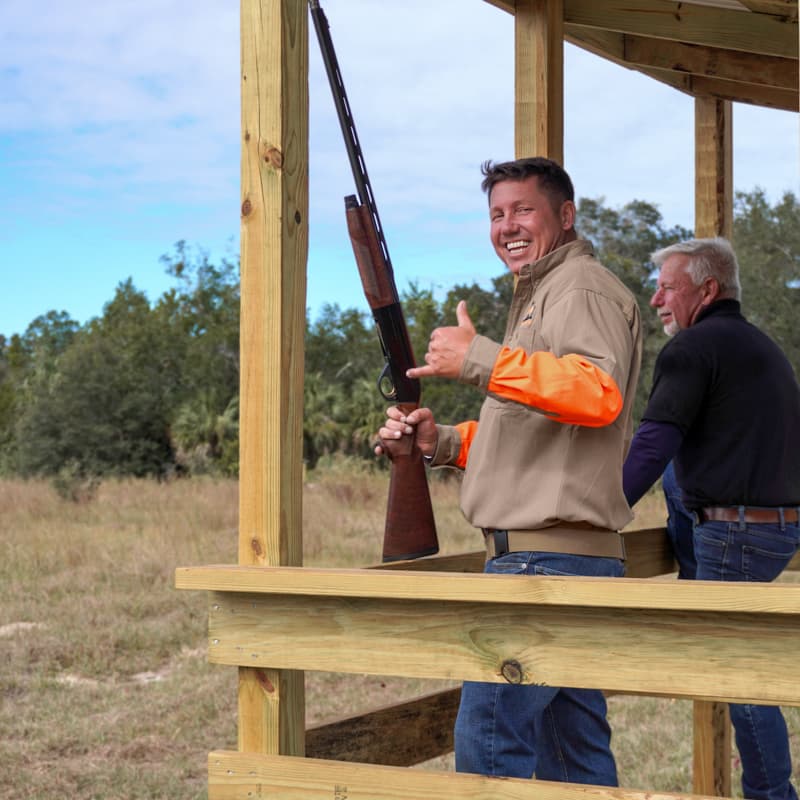
Before heading out, ensure you have the right gear. Essential items include camouflage clothing to blend into your surroundings, a variety of turkey calls, and a reliable shotgun or bow. Ammunition choice is crucial; for shotguns, #4 to #6 turkey loads are most hunters' go-to. Safety should never be compromised, so listen to the guides at Lilsa Lodge, and always wear hunter orange when required.
Turkey Hunting Techniques
Look for signs of turkey activity, such as droppings, feathers, and scratchings. Setting up near a roosting area can be effective, but ensure you're in place well before dawn. Calls should be varied; a mixture of clucks, purrs, and an occasional gobble can lure a curious tom into range. Box, slate, and diaphragm calls are good tools for beginners.Decoys can also enhance your setup, mimicking a hen or a rival tom to draw in birds.


Best Times and Places for Turkey Hunting
Spring and fall offer different challenges and opportunities. Spring is the mating season, making males more responsive to calls. Fall hunting often involves more tracking and patience as turkeys form larger flocks. Regarding location, while turkeys are adaptable to various habitats, areas with mixed clearings and wooded cover often yield better results. Lilsa Lodge provides this mix of scenery along with expert guidance to call in a big tom.

Conservation and Ethical Practices
As hunters, we play a role in conservation. Ethical practices, such as adhering to bag limits and participating in habitat restoration projects, help ensure turkey populations remain healthy. Engaging with local hunting communities can also enhance your understanding of regional conservation efforts and improve your hunting skills through shared experiences.

Parting Thoughts
As we wrap up, remember that the key to successful turkey hunting lies in preparation, understanding your quarry, and respecting nature. Whether you're setting out for your first hunt or your fiftieth, each outing offers new learning opportunities. We invite you to join us at Lilsa Lodge for your next hunting adventure.
A simple box call or pot and peg call is usually easiest for beginners to master.
Always identify your target clearly, wear hunter orange when necessary, and follow all local hunting regulations.
Legal requirements vary, so it's important to check with your state's wildlife agency or official hunting regulations before heading out.