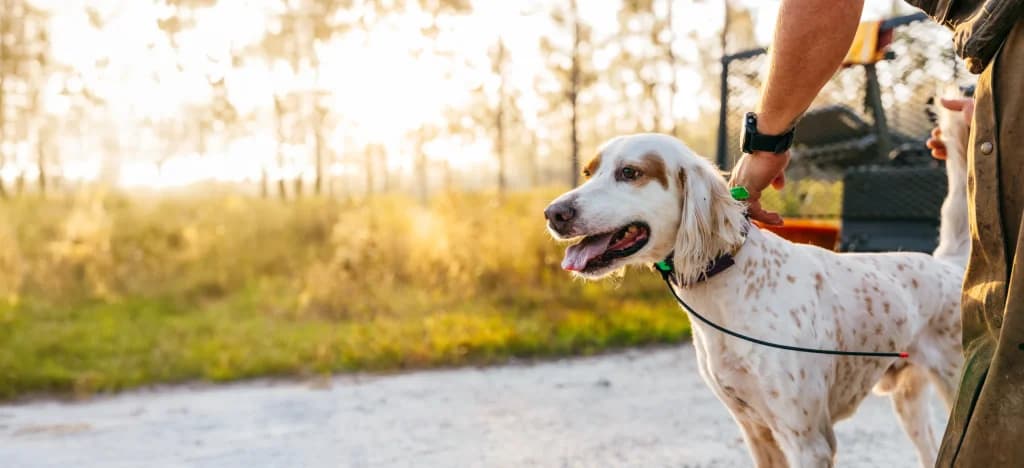
Every year, on the fourth Saturday in September, we celebrate National Hunting and Fishing Day. It’s a tribute to two of America’s most cherished outdoor traditions. However, this day isn’t just about the thrill of the hunt or the calm of a morning on the water. It’s about something bigger: conservation, community, and respect for nature. Whether you're an experienced outdoorsman or just starting out, National Hunting and Fishing Day reminds us of the positive impact hunting and fishing have. They play a crucial role in wildlife preservation and environmental stewardship.
The Origins of National Hunting and Fishing Day

National Hunting and Fishing Day has its roots in the early conservation movement. As the 20th century progressed, more people became aware of the impact human activities were having on wildlife populations and habitats. It was clear that a shift in mindset was needed—one that prioritized sustainability and responsible management of natural resources.
Recognizing the important role hunters and anglers played in funding conservation efforts, Congress officially established National Hunting and Fishing Day in 1972. The goal was to highlight the contributions of outdoor enthusiasts to conservation and ensure the protection of wildlife for future generations. That same year, President Richard Nixon signed the proclamation that marked the fourth Saturday of every September as a day to celebrate and promote outdoor sportsmanship, conservation, and wildlife management.
Since then, this national observance has become a vital part of our outdoor heritage, celebrated by countless communities, organizations, and individuals across the country.
The Role of Hunters and Anglers in Conservation
You may wonder how hunting and fishing connect to conservation efforts. Aren’t these activities taking away from the natural world? The truth is, both hunters and anglers have been key contributors to the preservation and restoration of wildlife habitats, often more so than any other group.
Here’s how:
- Funding Through Licenses and Permits
Every time a hunter buys a license, or an angler purchases a fishing permit, a portion of those funds goes directly to conservation programs. These dollars support wildlife habitat restoration, species management, and the upkeep of national parks and recreational areas. In fact, the Pittman-Robertson Act and Dingell-Johnson Act, passed in the 1930s and 1950s, respectively, directed excise taxes from hunting and fishing gear toward conservation efforts, further solidifying the impact of outdoor sportsmen and women on preserving wildlife. - Protecting Endangered Species
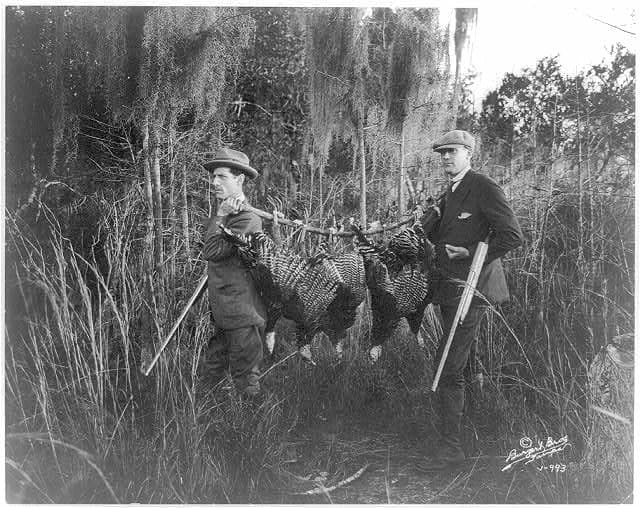
Paradoxically, hunting and fishing have played key roles in protecting certain species. For example, species such as the white-tailed deer, wild turkey, and American elk were on the verge of extinction in the early 1900s. Thanks to conservation efforts funded by hunters, these species have rebounded dramatically, now thriving across the country. - Wildlife Management
Proper hunting and fishing help maintain balanced ecosystems. In some areas, certain species, such as deer or fish, may overpopulate due to a lack of natural predators. Overpopulation can lead to habitat destruction, which affects not only the species themselves but also other wildlife that depend on the same resources. By engaging in regulated hunting and fishing, sportsmen help manage these populations, ensuring the long-term health of ecosystems.
How National Hunting and Fishing Day is Celebrated

Communities across the U.S. come together on National Hunting and Fishing Day to celebrate, educate, and engage with the outdoors. Whether you’re already involved in these activities or are just starting out, this day offers plenty of opportunities to learn and get involved. Here are a few common ways people and organizations celebrate:
1. Educational Events and Workshops
Many local and state wildlife agencies host workshops and events to encourage more people to try hunting and fishing. These events often include beginner lessons. Experienced hunters and anglers offer tips on safety practices and ethical techniques. It’s a great way for novices to feel comfortable in the field or on the water. It also gives seasoned sportsmen a chance to share their passion with the next generation.
2. Fishing Tournaments and Hunting Expos
Fishing tournaments, hunting expos, and outdoor festivals are common ways to celebrate the day. These gatherings often feature hands-on activities for families, product demonstrations, and opportunities to connect with others who share a love for the outdoors. It’s a day of friendly competition and community building, all centered around outdoor sportsmanship.
3. Volunteer and Conservation Projects
National Hunting and Fishing Day is also a time when many organizations focus on giving back. Habitat restoration projects, wildlife cleanups, and community conservation efforts are often scheduled for the day. Participating in these projects is a way to contribute to the ongoing efforts that keep ecosystems healthy and sustainable for both wildlife and people.
4. Social Media Campaigns and Outreach
In today’s digital age, celebrating this day often extends to social media. Hunters, anglers, and outdoor enthusiasts share their experiences online using the hashtag #NationalHuntingAndFishingDay to raise awareness about the positive role outdoor sports play in conservation. It’s a chance to spread the message far and wide, inspiring others to respect and engage with the natural world.
Why It Matters Today More Than Ever
As we face challenges like climate change, habitat loss, and declining biodiversity, days like National Hunting and Fishing Day matter more than ever. They remind us that everyone has a role in conservation. Our outdoor traditions aren’t just hobbies. They’re a key part of maintaining healthy ecosystems.
Hunting and fishing push people to engage with nature. They foster a connection to the land and wildlife that can’t be matched by watching documentaries or visiting zoos. When you hunt or fish responsibly, you join the natural cycle. You learn about the delicate balance of life and the need to protect it for future generations.
To learn more about how Lilsa Lodge can help you connect to nature, check out our previous blogs! Unplug, Relax, Reload: Why Digital Detox is Essential for Wellness and The Heart of Lilsa Lodge: Humility and Hard Work are a great place to start.