Index
- What is a Marinade?
- Composition of a Marinade
- How to Use Marinades
- Importance of Marinating Wild Game
- Recommended Marinades
- Marinating Times and Tips
- Tips for Effective Marinating
- Elevate Your Culinary Adventure
- FAQ's
Experiencing the unique flavors of wild game is an adventure cherished by foodies and hunters alike. At Lilsa Lodge, marinating wild game is not just a cooking method but an essential technique to elevate the dining experience. Today, we delve into the importance of marinating wild game, tips for effective marinating, and answer some frequently asked questions.
What is a Marinade?

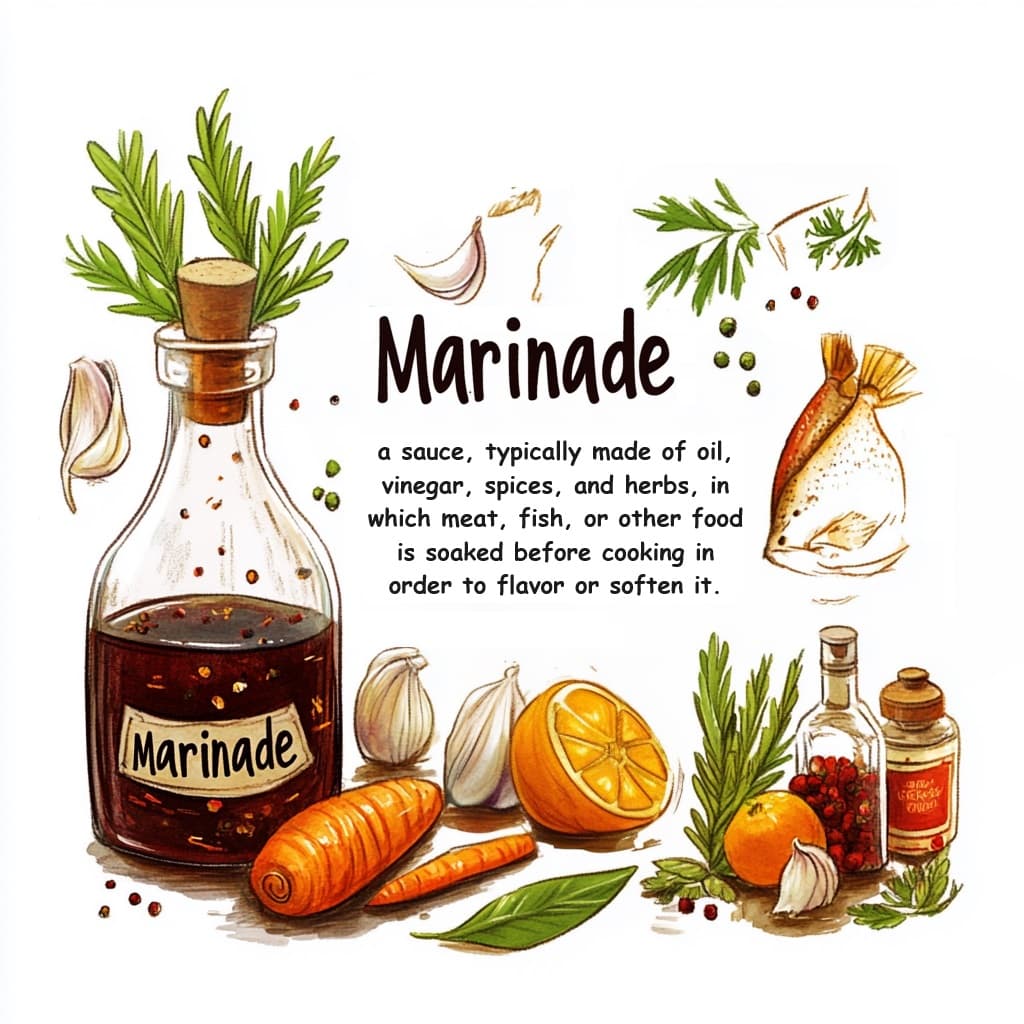
Having been used since Renaissance times, marinades initially served to delay spoilage and mask unwanted flavors. Nowadays, foods are marinated to enhance their taste while creating a more moist and tender bite.
Composition of a Marinade
Marinades are composed of one or more of the following: oil, acid, and aromatics (including herbs, spices, and vegetables). Oil serves to keep food in contact with other tasty ingredients while shielding it from the extreme heat of cooking. Acidic ingredients like lemon juice and red wine vinegar not only flavor food but also alter its texture. Aromatics like garlic, rosemary, and black peppercorns provide a deep flavor base for which to build your recipe on.
How to Use Marinades
To use a liquid marinade, combine your ingredients in a non-reactive container such as a plastic bag or Tupperware. Add your protein to the marinade and turn to coat evenly. Seal your container and store it in the refrigerator until ready to use. Be sure to gently remove excess marinade and pat food dry before cooking, especially if the marinade contains ingredients that may burn.
Importance of Marinating Wild Game
Marinating wild game is crucial for several reasons:
- Tenderizing Tough Meat: Wild game meats are often leaner and tougher than conventional farm-raised meats. Marinating helps break down muscle fibers, making the meat more tender and enjoyable.
- Infusing Flavor: Marinades introduce a variety of flavors, reducing the gamey taste that some people find off-putting. This also enhances the overall dining experience.
- Improving Texture and Juiciness: Proper marination can improve the texture and juiciness of wild game, ensuring a succulent bite every time.
Recommended Marinades

When it comes to marinating wild game meat found around Lilsa Lodge, the possibilities are endless. Below are some recommended marinades that enhance the unique flavors of venison, wild turkey, quail, wild boar, and pheasant. These suggestions only scratch the surface of the myriad ingredients and flavor combinations you can explore. Embrace your creativity in the kitchen, experimenting with different herbs, spices, and liquids to discover your personal favorite marinade that brings out the best in your wild game dishes.
Venison
- Marinade Ingredients: Red wine, garlic, rosemary, olive oil
- Flavor Profile: Rich, slightly sweet with herbaceous notes
Wild Turkey
- Marinade Ingredients: Citrus juice (orange/lemon), garlic, thyme, olive oil
- Flavor Profile: Bright, tangy with herbal undertones
Quail
- Marinade Ingredients: Olive oil, lemon juice, thyme, black pepper
- Flavor Profile: Light, fresh with citrus hints
Wild Boar
- Marinade Ingredients: Balsamic vinegar, soy sauce, ginger, garlic
- Flavor Profile: Bold, savory with a touch of sweetness
Pheasant
- Marinade Ingredients: Buttermilk, mustard, sage, honey
- Flavor Profile: Mild, creamy with a hint of sweetness and herbs
Marinating Times and Tips
Recommended Marinating Times
- Venison: 4-12 hours
- Wild Turkey: 2-8 hours
- Quail: 1-4 hours
- Wild Boar: 4-12 hours
- Pheasant: 2-6 hours
Tips for Effective Marinating

- Use non-reactive containers like glass or stainless steel to avoid chemical reactions with the marinade.
- To infuse deeper into thick cuts, score the protein with a sharp knife or directly inject marinade with a cooking syringe.
- Ensure the meat is fully submerged in the marinade for even flavor distribution.
- Refrigerate the meat while marinating to prevent bacterial growth.
- Turn the meat occasionally to ensure all sides are evenly marinated.
What to Avoid When Marinating
- Over-marinating: This can lead to a mushy texture and an overpowering flavor.
- Using too much acid: While acids like vinegar and citrus juice are great for tenderizing, too much can "cook" the meat and alter its texture.
- Marinating at room temperature: Always marinate in the refrigerator to prevent the growth of harmful bacteria.
- Reusing marinades: Never reuse a marinade without boiling it first to eliminate any bacteria that may have been introduced from the raw meat.
- Using a reactive container: Aluminum, copper, iron, and non-stainless steel are considered reactive as their surfaces will release atoms of metal into food and can give an off taste or cause discoloration.
Elevate Your Culinary Adventure
Marinating wild game is a skill that enhances the natural flavors and tenderness of the meat, making it an essential step in wild game preparation. By using the right marinades and techniques, you can elevate your wild game dishes to a new level of culinary delight. We invite you to visit Lilsa Lodge and experience our expertly marinated wild game, prepared with care and tradition.
For more culinary inspiration, check out our blog post on Wild Game's Unique Flavor: A Beginner's Guide.
Come and experience the true taste of the wild at Lilsa Lodge – where hunting is as it was intended.
FAQ's
The marinating time depends on the type of game. Generally, venison and wild boar can marinate for up to 12 hours, while quail and pheasant require less time, around 1-6 hours.
Reusing marinade is possible only if you boil it first to kill any bacteria. However, it's often recommended to make a fresh batch for safety and best flavor.
Non-reactive materials like glass, stainless steel, or food-grade plastic are best for marinating to avoid any chemical reactions with the marinade.
Yes, certain types of wild game like venison and wild boar can be marinated overnight. However, more delicate meats like quail should not be marinated for more than a few hours.
If the meat starts to look pale or begins to break down too much, the marinade might be too acidic. Adjust by adding more oil or reducing the acidic component.