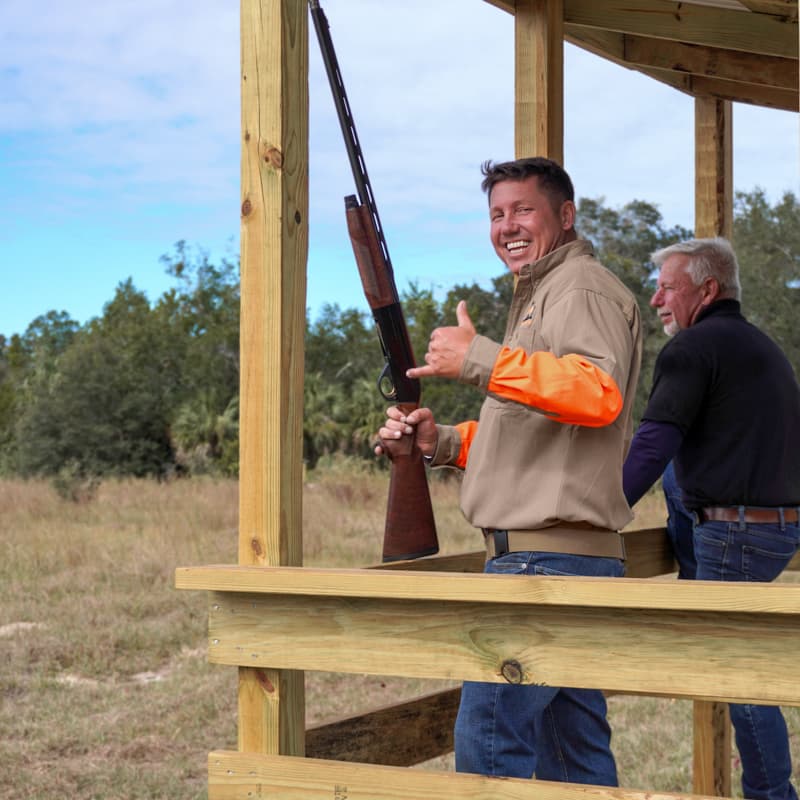
Jumping into your first hunting trip is super exciting—you're all pumped up and ready to hit the wild! But before you head out, picking the right shotgun is a big deal. It's not just about being safe, but also making sure you have a blast and do well out there. In this guide, we'll break down the key stuff you need to think about when choosing your first shotgun, so you can find the perfect fit as a newbie.
Understanding Shotgun Types
When it comes to shotguns, there are several types to choose from, each with its own set of pros and cons. The most common types are pump-action, semi-automatic, and break-action shotguns.
- Pump-Action: These shotguns are known for their reliability and straightforward mechanics. You manually pump the forearm to eject a spent shell and load the next one, making it a great option for beginners who want to learn the basics of shooting.
- Semi-Automatic: Semi-automatic shotguns are easier to shoot since they automatically eject the spent shell and load the next round after each shot. This allows for faster follow-up shots, which can be advantageous in certain hunting situations.
- Break-Action: Simple and safe, break-action shotguns are excellent for those who want to focus on learning the fundamentals. They open at the breech, allowing you to load one or two shells at a time, making them easy to operate and maintain.
Which Type is Best for Beginners? While each type has its merits, pump-action shotguns are often recommended for beginners due to their reliability and ease of use.
Choosing the Right Shotgun Gauge

The gauge of a shotgun refers to the size of the barrel and, consequently, the size of the shells it fires. For beginners, understanding the common gauges is a must.
- 12 Gauge: The 12 gauge is the most versatile and widely used shotgun gauge. It’s powerful and can be used for a variety of hunting scenarios, making it a popular choice among both beginners and experienced hunters.
- 20 Gauge: The 20 gauge is slightly smaller and has less recoil, making it easier to handle, especially for those new to shooting. It’s a great choice for beginners who are concerned about recoil and want a manageable option.
- 28 Gauge: Even smaller, the 28 gauge is lightweight and ideal for small game hunting or clay shooting. It’s a good option for beginners, particularly younger or smaller-framed individuals.
Recommendation: For most beginners, a 20 gauge shotgun strikes the perfect balance between power and manageability, making it an excellent starting point.
Shotgun Weight and Fit
The weight of a shotgun is another critical factor to consider, particularly for new hunters. A shotgun that is too heavy can be difficult to handle and tire you out, while one that is too light might not absorb recoil well.
- Why Weight Matters: A heavier shotgun typically has less felt recoil, which can be great for beginners. However, it should not be so heavy that it becomes cumbersome to carry in the field.
- Importance of Fit: The shotgun should fit your body well to ensure comfort and accuracy. The length of pull, drop at comb, and overall balance should all be considered to match your physique and shooting style.
- Test Before You Buy: Whenever possible, physically test different shotguns to see how they feel in your hands. Ensure that the shotgun’s weight and fit are comfortable for you before making a purchase.
Additional Features to Consider

When selecting your first shotgun, there are several additional features that you might want to consider:
- Barrel Length: A longer barrel generally provides better accuracy but may be more challenging to maneuver, especially in dense brush. Beginners might prefer a shorter barrel for ease of handling.
- Chokes: Chokes control the spread of the shot as it leaves the barrel, affecting the pattern of the pellets. Interchangeable chokes add versatility to your shotgun, allowing you to adjust the spread for different hunting scenarios.
- Recoil Pads and Other Accessories: A good recoil pad can significantly reduce the impact felt when firing, making shooting more comfortable for beginners. Other accessories, like sling mounts and shell holders, can also enhance your hunting experience.
Spending Smart
Investing in a quality shotgun is important, but that doesn’t mean you have to break the bank. Here are some budget considerations for first-time buyers:
- Balancing Quality and Cost: While it’s tempting to opt for the cheapest option, remember that a well-made shotgun can last a lifetime. Look for a shotgun that offers good value, balancing quality and cost.
- New vs. Used Shotguns: Buying a used shotgun can be a cost-effective way to get a high-quality firearm without paying the full retail price. Just be sure to inspect it carefully or have a professional do so before purchasing.
- Cost of Maintenance and Ammunition: Keep in mind the ongoing costs of owning a shotgun, including regular maintenance and the price of ammunition. These should factor into your overall budget.
Your Perfect Shotgun Awaits
Choosing your first shotgun is a significant step in your hunting journey. By considering factors like type, gauge, weight, fit, and additional features, you can select a shotgun that not only meets your needs but also enhances your enjoyment of the sport. Take your time, try out different options, and make an informed decision that you’ll be happy with for years to come.
At Lilsa Lodge, we’re passionate about helping beginners get started on the right foot. Whether you need expert advice or want to test out a few shotguns in a safe and supportive environment, we’re here to help. To learn more about prepping for your first hunting adventure, check out our blogs on Essential Gear for Shooting Beginners and our Beginners Introduction to Shooting Sports.