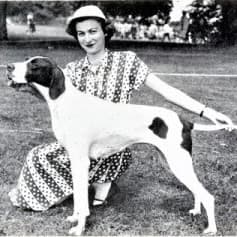
The English Pointer is renowned for its extraordinary abilities in the field, making it a top choice for hunters worldwide. This breed's keen sense of smell, exceptional stamina, and unwavering focus set it apart from other hunting dogs. Let's dive into what makes the English Pointer such a prized companion for hunting enthusiasts.
History of the English Pointer
The English Pointer, often simply called the Pointer, has a rich history dating back to the 17th century. Originating in England, this breed was developed to assist hunters in locating game birds. The Pointer’s ability to "point" at game by freezing in a standing position made it invaluable during hunts, allowing hunters to approach the prey more easily.
Bred from a mix of various breeds, including the Spanish Pointer, Greyhound, Bloodhound, and Foxhound, the English Pointer inherited a unique combination of speed, scenting ability, and endurance. These traits have been carefully honed over centuries, resulting in the modern English Pointer we know today.

Physical Characteristics
English Pointers are medium to large-sized dogs, typically weighing between 45-75 pounds and standing 23-28 inches tall at the shoulder. They have a sleek, muscular build that combines power with grace, enabling them to move swiftly and effortlessly through various terrains.
Their coat is short and smooth, requiring minimal grooming. Common coat colors include liver, lemon, black, and orange, often with white markings. The Pointer’s expressive eyes and distinctive head shape, with a pronounced stop and long muzzle, give them an alert and intelligent appearance.
English Pointer Behavior
English Pointers are known for their friendly and affectionate nature. They are highly social dogs that thrive on human interaction and are typically good with children and other pets. Their energetic and playful demeanor makes them excellent family companions, but they truly shine in the field.
These dogs are born hunters, with an innate drive to track and point game. Their high energy levels and need for mental and physical stimulation mean they require plenty of exercise and opportunities to engage in hunting activities or similar tasks.

Training and Hunting Skills
Training an English Pointer requires patience, consistency, and positive reinforcement. Given their intelligence and eagerness to please, Pointers respond well to training methods that incorporate rewards and praise. Early socialization and obedience training are crucial to ensure they develop into well-rounded adults.
For hunting, Pointers excel in pointing and retrieving game birds. Their natural instincts make them quick learners in field training. Key training aspects include:
- Basic Commands: Ensure your Pointer masters essential commands such as sit, stay, come, and heel.
- Pointing: Encourage the natural pointing behavior by exposing your dog to game birds in controlled environments.
- Retrieving: Train your Pointer to retrieve game gently and deliver it to hand without damaging the bird.
- Endurance Training: Build your dog's stamina through regular exercise, gradually increasing the duration and intensity of activities.
Health and Care
English Pointers are generally healthy dogs, but like all breeds, they are prone to certain health issues. Regular veterinary check-ups and a balanced diet are essential for maintaining their health. Common health concerns include hip dysplasia, elbow dysplasia, and certain eye conditions.
Their short coat requires minimal grooming, but regular brushing will help keep it in good condition. Given their high energy levels, Pointers need ample exercise to prevent boredom and associated behavioral problems.
Conclusion
In summary, the English Pointer is an exceptional hunting dog with a rich history and a remarkable set of skills. Their friendly nature, intelligence, and unparalleled hunting abilities make them a top choice for both professional hunters and active families. By understanding their needs and providing proper training and care, you can ensure your English Pointer thrives both in the field and at home.
FAQ's
Yes, English Pointers are friendly, affectionate, and good with children and other pets, making them excellent family companions.
English Pointers require a lot of exercise, including daily walks, playtime, and opportunities to engage in hunting or similar activities.
Common health concerns include hip dysplasia, elbow dysplasia, and certain eye conditions.
Training involves teaching basic commands, encouraging natural pointing behavior, training for gentle retrieving, and building stamina through regular exercise.