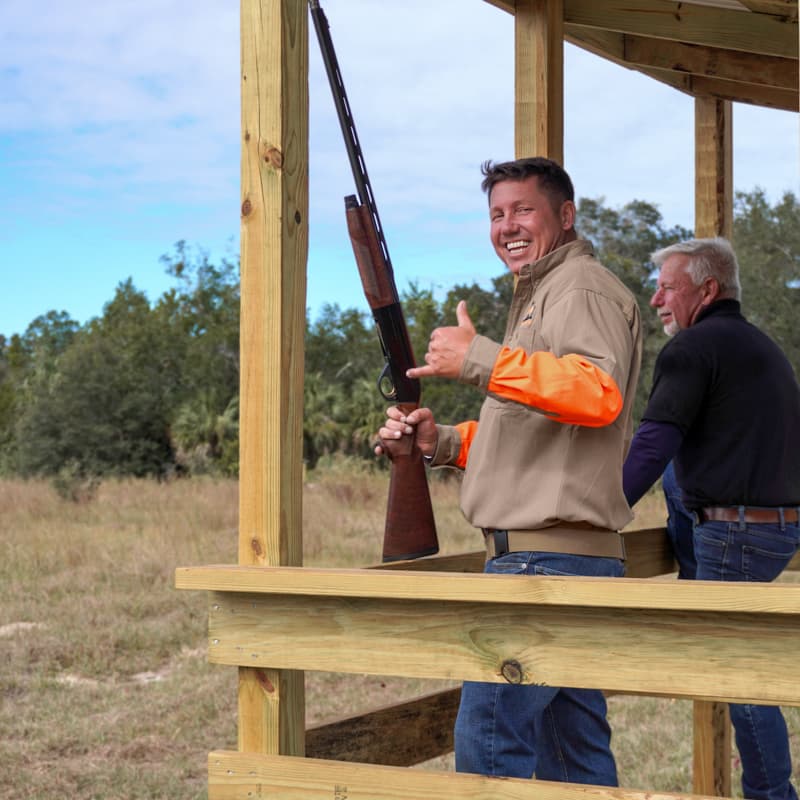
A hunting enthusiast and lodge owner's perspective from Lilsa's very own John Duggan...
Nestled in the heart of the countryside, Lilsa Lodge stands as a testament to the timeless tradition of bird hunting. As a lodge owner, I have had the privilege of witnessing countless hunters and their canine companions grace our fields. However, one aspect that sets a successful hunt apart is the caliber of the bird hunting dogs involved. In this article, I want to share my perspective on the importance of well-trained dogs in the art of bird hunting.
The Role of Bird Hunting Dogs
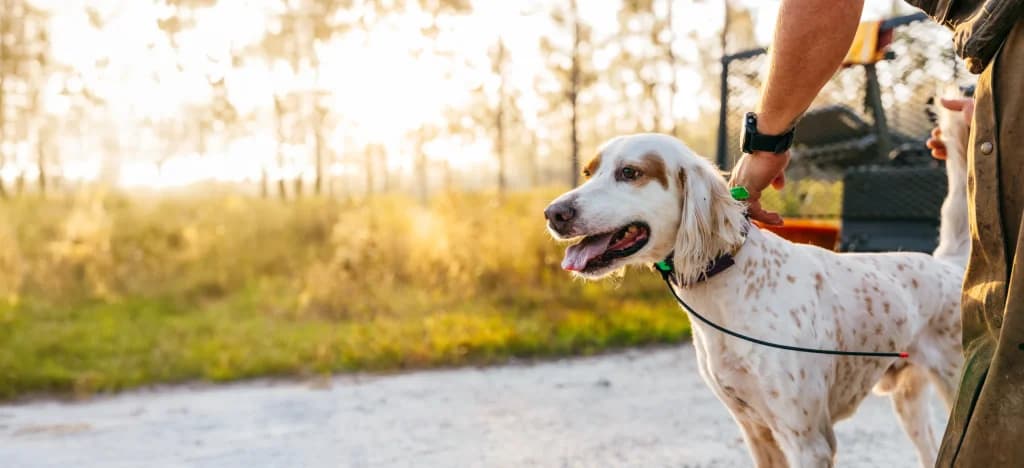
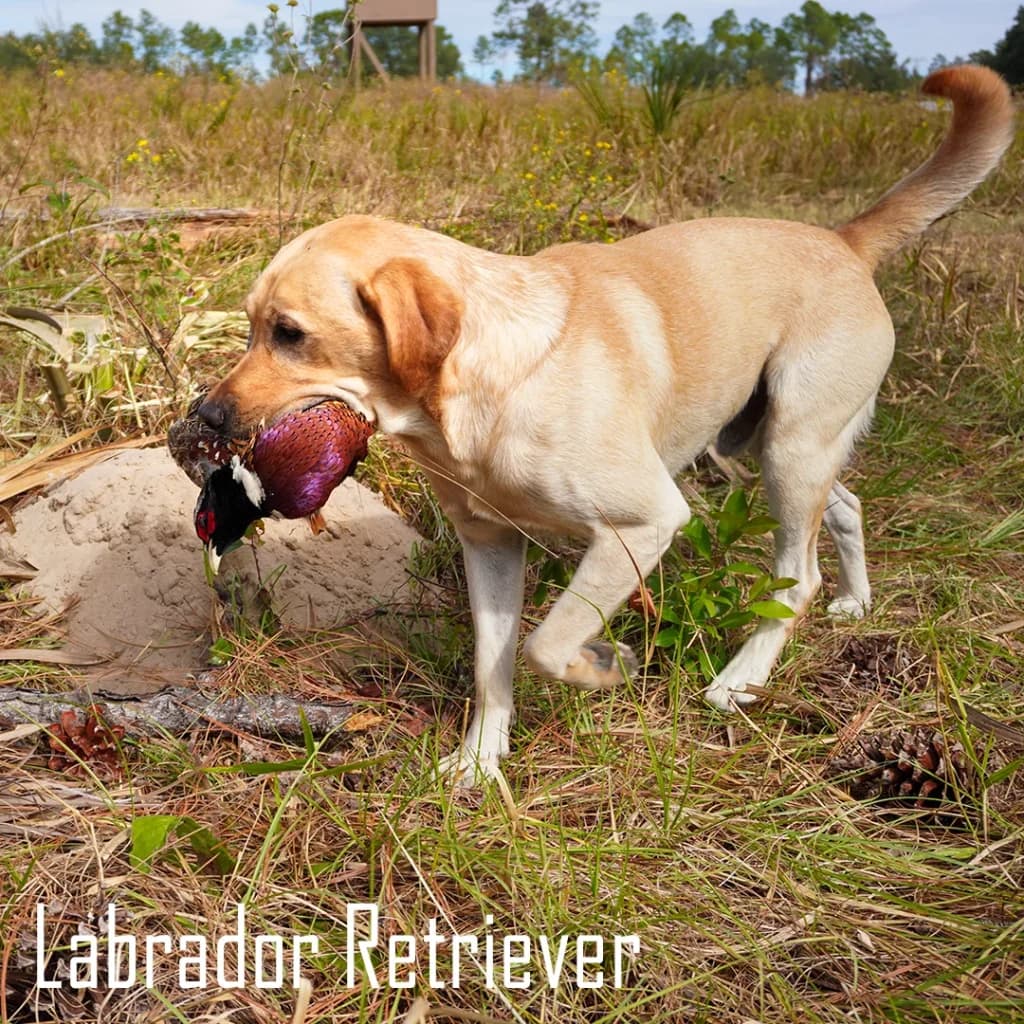
Bird hunting is more than a sport; it's a symphony of skills, patience, and teamwork between a hunter and their dog. These dogs are not just pets; they are athletes, trained to perform specific tasks with precision and obedience. Breeds like the Labrador Retriever, English Pointer, and English Setter are among the favorites for their natural instincts and trainability. Goldens, Beagles, and Airedale Terriers are popular as well.


Training is The Heart of Excellence
In my years at Lilsa Lodge, I've seen a wide range of dogs, from the highly trained to the unfortunately underprepared. A poorly trained dog can not only ruin a hunt but can also be a safety hazard. Training is not just about obedience; it's about honing the natural instincts of these dogs to work in harmony with their human counterparts.
A well-trained bird dog will master skills such as pointing, flushing, and retrieving. They must respond to commands promptly, remain steady in the face of flying game, and retrieve when asked. This level of discipline doesn't come overnight. It requires months, sometimes years, of consistent training and reinforcement.

2023's Most Popular Bird Hunting Dog Breeds*
| Rank | Breed | Percentage Reported |
|---|---|---|
| 1 | German Shorthaired Pointer | 20.88% |
| 2 | Labrador Retriever | 18.67% |
| 3 | English Setter | 13.99% |
| 4 | Brittany | 11.39% |
| 5 | German Wirehaired Pointer | 10.69% |
| 6 | Wirehaired Pointing Griffon | 7.36% |
| 7 | Pudelpointer | 5.15% |
| 8 | Pointer | 4.84% |
| 9 | Springer Spaniel | 4.49% |
| 10 | Small Munsterlander | 3.29% |
| 11 | English Cocker | 3.14% |
| 12 | Golden Retriever | 2.87% |
| 13 | Vizsla | 2.17% |
| 14 | Gordon Setter | 1.94% |
| 15 | Boykin Spaniel | 1.59% |
| 16 | Weimaraner | 1.36% |
*According to 2023 North American Upland Hunting Survey - Upland Hunting Magazine
The Bond Between Hunter and Bird Hunting Dogs
One of the most beautiful aspects of bird hunting is the bond that develops between the hunter and their dog. This relationship is built on mutual respect and understanding. A well-trained dog trusts its handler and is keenly attuned to their cues. In return, the hunter must understand the dog's needs, cues, and abilities. This bond is not just beneficial for a successful hunt; it's a joy to witness and experience.

Safety and Ethics
At Lilsa Lodge, we place a high premium on safety and ethical hunting practices. A well-trained dog is integral to this. These dogs help ensure that hunts are conducted safely, minimizing the risk of accidents. They also play a crucial role in ethical hunting, ensuring that game is retrieved quickly and humanely.
Embracing Tradition and Excellence
As a lodge owner, I cannot stress enough the importance of bringing a well-trained bird hunting dog to the field. These magnificent animals are more than just tools; they are partners in the hunt, and their training and well-being are paramount. For those passionate about bird hunting, investing time and resources in training your dog will not only enhance your hunting experience but also uphold the traditions and ethics that make this sport so revered. At Lilsa Lodge, we celebrate the art of bird hunting, and the well-trained dogs that make this artistry possible.